
Heading Back to the Office? Here’s How Much it Will Cost You Thanks to Inflation
Over the last few months, Canadians have slowly started returning to the office—and many more will likely head back soon. Among the adjustments they’ve had to make is getting used to wearing real pants instead of sweatpants, and remembering how to make small talk with co-workers.
And then there’s the biggest change: how much more it costs to get to work in 2022. Since the Covid-19 pandemic caused the first Canadian lockdowns in early 2020, inflation has risen to over 5 per cent for the first time since 1991. In March 2022, it reached 6.7 per cent and hit 8.1 per cent in June. Driven by supply-chain issues and high fuel prices, the cost of most consumer goods has risen enough that you will feel the difference in your wallet.
“Many people don’t leave much room in their budget to accommodate these kinds of changes,” says Walid Hejazi, an associate professor of economic analysis and policy at the University of Toronto’s Rotman School of Management. He explains that a large segment of the population spend most of their earnings and even run up debt on their credit cards; Canadian households held about $80-billion in credit card debt as of February, which is an increase of nearly 9 per cent from a year prior. “Because of this, most people are not well positioned to absorb increases in cost due to inflation,” Hejazi says.
Because budgets are tight—a recent report found that almost half of Canadians are concerned they won’t be able to cover all their financial obligations in the coming year without going further into debt—it’s important to understand where more of your money will be going. So, how much more exactly will it cost for you to go back to the office this year? We’ve crunched the numbers to give you a better idea.
Travel and commuting
Getting to the office will cost you much more than it did pre-pandemic. The price of gas has spiked because demand is so high right now and supply hasn’t caught up. (There was less oil demand during the pandemic so many producers reduced output. Now that demand is back up, they can’t just flip a switch and get it back up to normal levels—it takes time.)
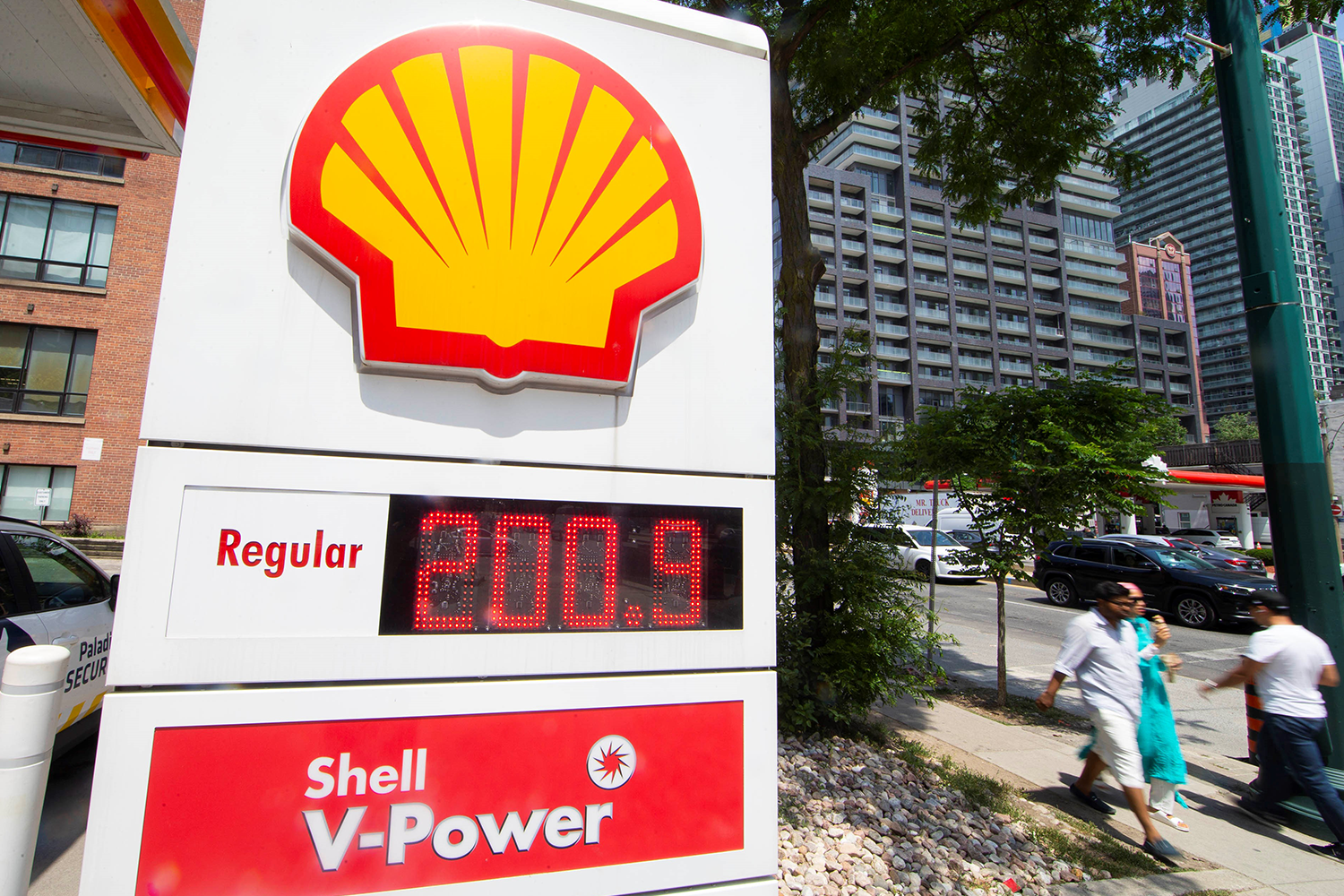
In Canada, gas prices have risen 119 per cent. In March 2020, on average across Canada, gas cost 91.3 cents a litre. In May, the average national price of gas hit $2 a litre. Most car gas tanks can hold between 45 and 65 litres. So let’s assume you have a 55 litre gas tank. Filling it up will now cost you $110, compared to $50 pre-pandemic, depending on where in the country you live.
And if you’re in the market for a new car, you’ll be paying more for that too. The average price of a new car went from about $47,000 in 2020 to $50,758 in 2021, while a used car went from about $30,000 in 2020 to $33,240 in 2021.
If you have reliable public transportation in your area, this is definitely the cheapest option. While travel prices generally increased with inflation, the last time there was a TTC fare hike, for example, was in 2020. (However, mind how many cab or ride-share trips you take—Uber prices have gone up as a result of increases in gas prices.)
Total price increase of filling up a car tank with gas: $60
Total price increase of a car, new or used: about $3,500
Clothing
Clothing sales are down across Canada. With inflation, there’s less room in Canadians’ budget for discretionary spending. However, the return to work may necessitate upgrading a few items in your wardrobe. Maybe you got a new job, or maybe your body changed size or shape during the pandemic. Or perhaps after two years holed up at home, you’re ready to flaunt your style.
It will cost a little more to go shopping—inflation has raised the average price of footwear and clothing about five per cent. So a suit that cost about $200 in 2020 would be about $210 in 2022, a shirt that cost $60 is now $63, shoes that retailed for $80 are now $84 and a dress that was priced at $90 is now $94.50
Total price increase for a suit: $10
Total price increase for two shirts: $6
Total price increase for a pair of shoes: $4
Total price increase for a dress: $4.50
Food
Since 2020, food prices have risen 15 per cent—an impact many have already felt at the grocery store. Canada’s Food Price report estimated that dairy, bakery and vegetable prices will rise by five to seven per cent or more in 2022. Restaurant prices are also ticking up six to eight per cent. And alcohol and marijuana prices have risen by about six per cent.
With these increases, a packed lunch from the grocery store that cost $15 in 2020 will now cost about $17.25. And a meal eaten out at a restaurant that would have cost $30 two years ago now costs about $34.50.
Total price increase for a packed lunch: $2.25
Total price increase for a lunch at a restaurant: $4.50
Child care
Finally, some good news: You are going to pay much less for child care than you did prior to the pandemic. This is in large part due to the roll out of the federal government’s $10-a-day child care commitment, which is now officially signed by all the provinces and territories.
How much change you’ll experience, however, will depend on what province you live in and what kind of child care your kids are enrolled in. In Ontario, for example, your child must be in a participating licensed daycare in order to be eligible for the benefit. In Manitoba, parents may receive a subsidy covering all or part of the cost of child care depending on their income.
However, on average, you can expect your daycare costs to decrease about 20 per cent—so daycare that was once $50 a day is now $40.
Total price decrease for child care: $10
Self-care
If anything, the pandemic really showed us why it’s crucial to take care of ourselves. While clothing sales dropped, the health and wellness industry has continued to grow—worldwide it’s a $1.5 trillion market.
In Canada, prices of personal-care and health items rose about six per cent, while recreation, education and reading costs rose about seven per cent. So if you’re planning on getting a haircut before returning to the office, keep in mind that a $60 bill in 2020 would be about $63.50 today, and a $150 hair colour would be close to $160. A boutique gym class that cost $22 pre-pandemic is about $23.50 today.
Total price increase for a haircut: $3.50
Total price increase for a hair colour: $10
Total price increase for a fitness class: $1.50
What this means for you
In total, depending on your own lifestyle and needs, you can expect to be paying an increase of about $100 to $200 or more for all the things you need in preparation for a return to the office.
“When the pandemic arrived, so many people were on the edge and they were so vulnerable,” Hejazi says. “So I think the big lesson from the last two years is that people need to understand how to manage their finances.” Hejazi says there are three strategies to help mitigate the impact of inflation and plan ahead: Watch your money, think carefully about your spending for quality of life and try to improve your financial acumen.